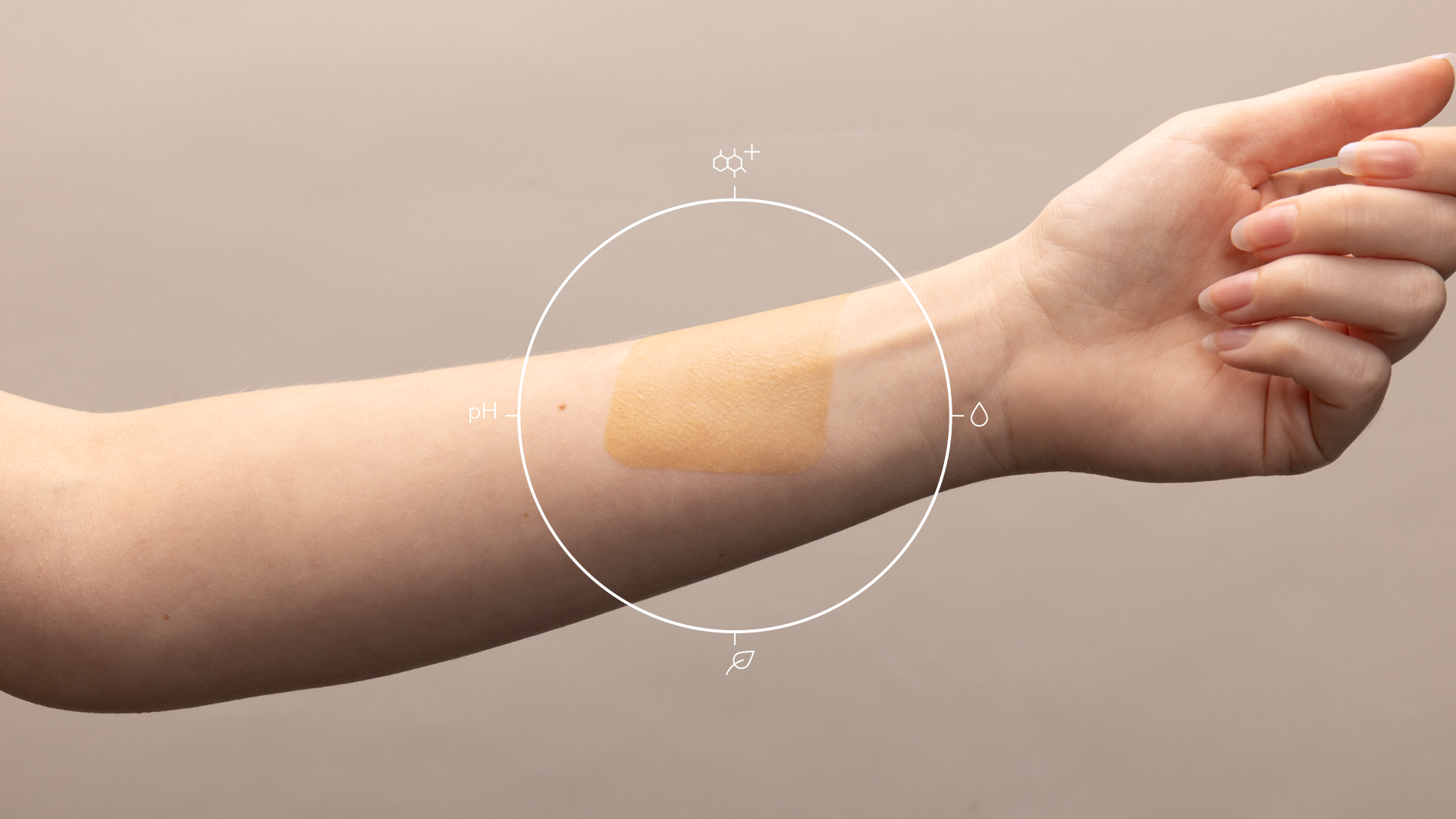
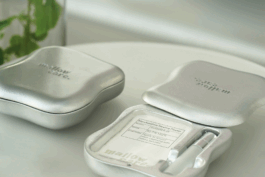
Marshmallow plant-based wound dressings formulated to support active tissue regeneration and healing.
SECTOR
SERVICES
2025
Regenerative Healthcare
Product Engineering, Strategy, Innovation, Branding


There is an urgent need for regenerative, plant-based wound care solutions in response to rising antimicrobial resistance, material toxicity, and global healthcare pressures.



Position
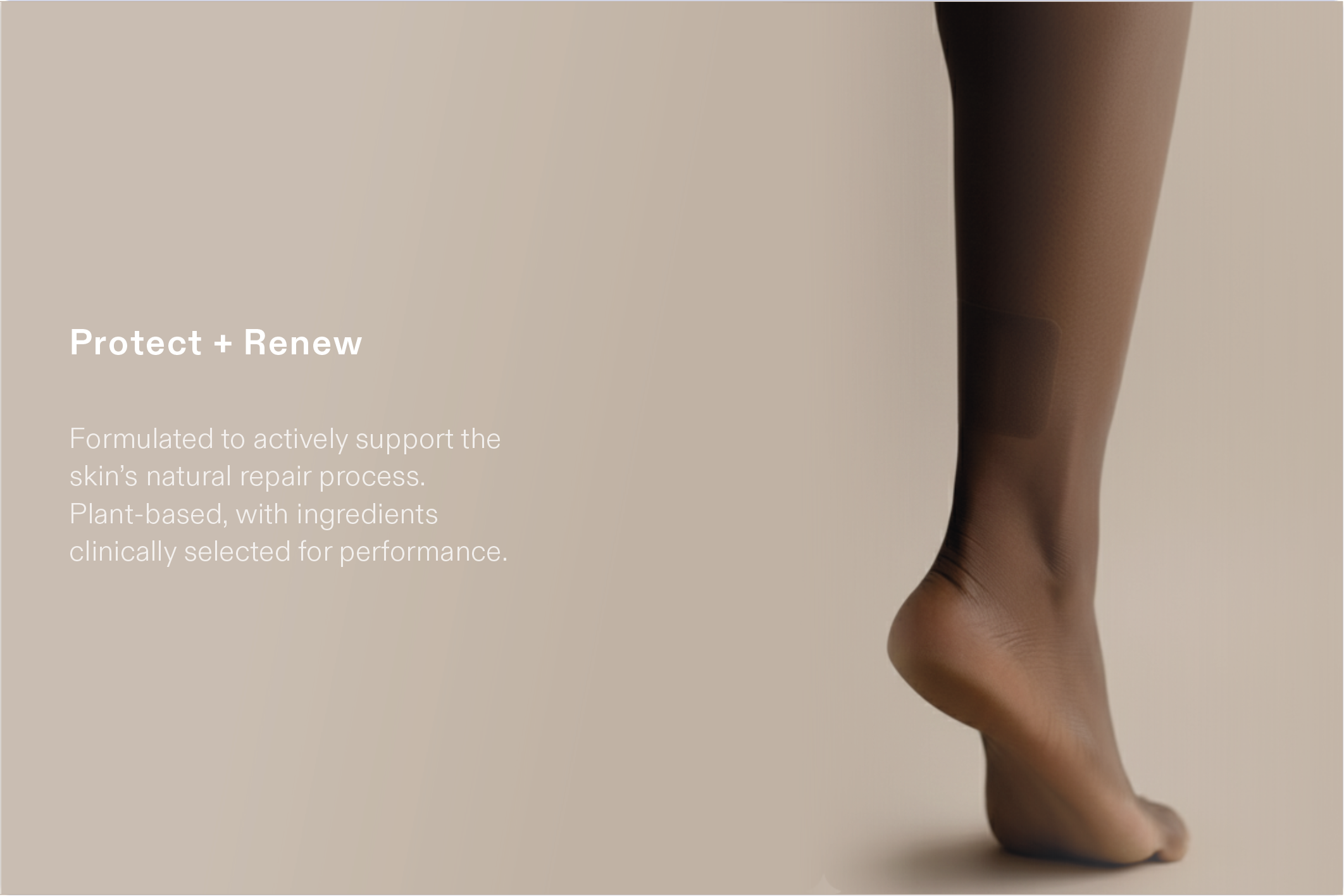
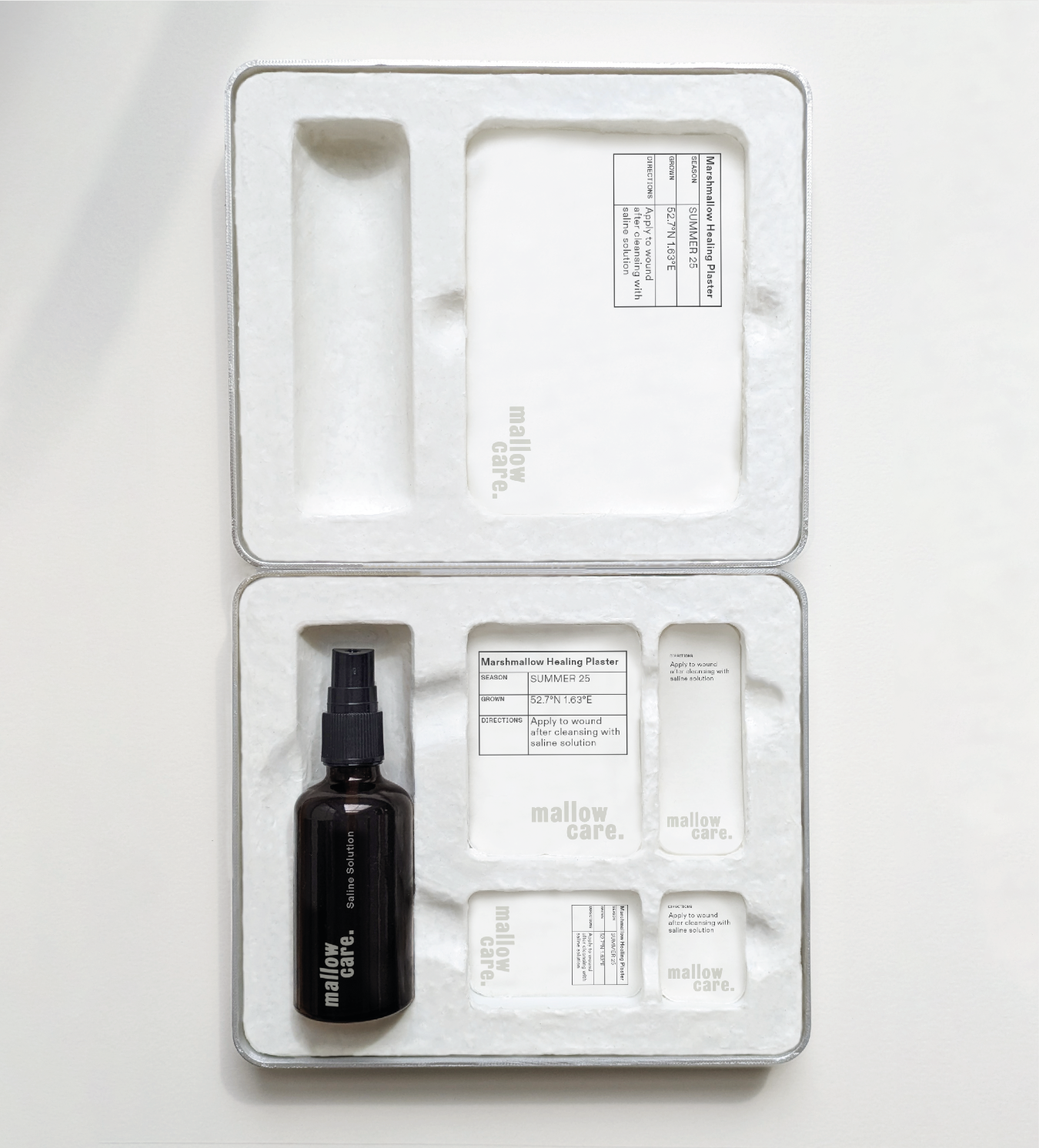
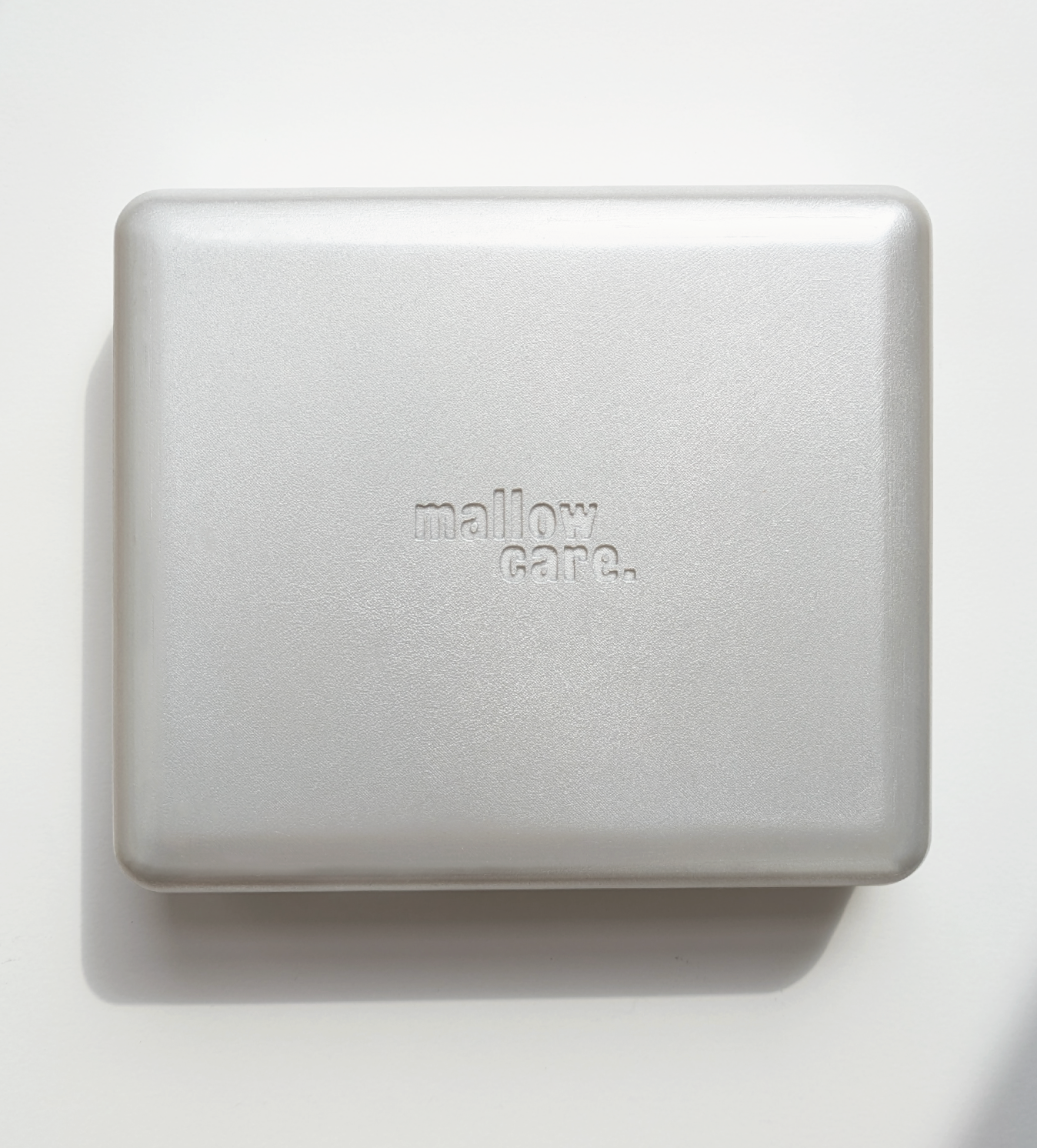
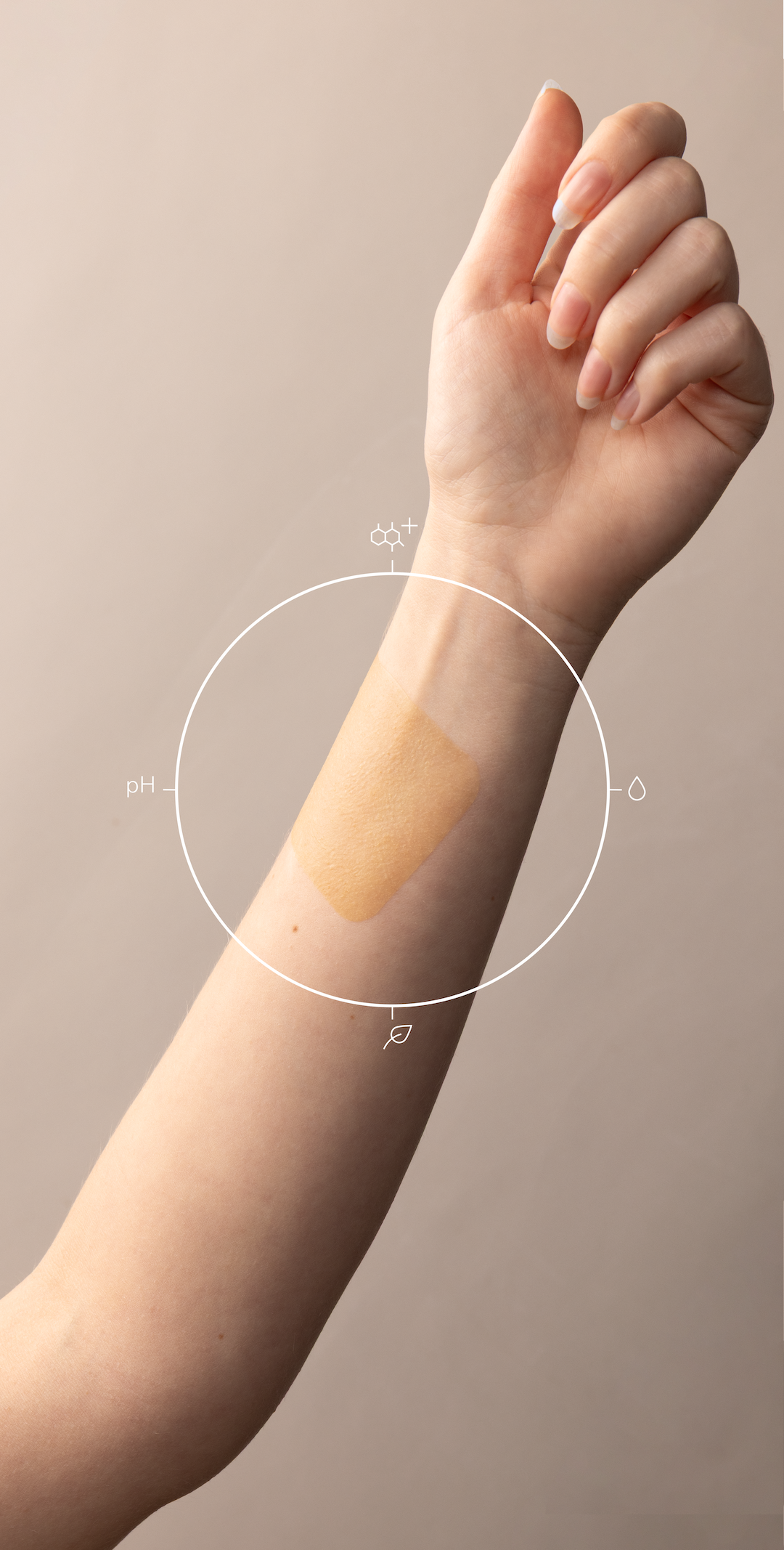
Mallowcare offers a regenerative alternative to synthetic wound care, releases bioactive compounds, balances pH and moisture, while mimicking the skin’s natural structure.
Marshmallows are more than just a tasty sweet. The original marshmallows were made from mallow plants which grow in marshes and were used as a traditional medicine.
From planet regeneration to skin regeneration, the marshmallow plant is part of the vital blue carbon ecosystem and a nutraceutical plant with proven bioactive properties, including antimicrobial, anti-inflammatory and antioxidant effects.
With wound care today facing rising challenges, like antimicrobial resistance and synthetic material toxicity, Mallowcare offers a novel alternative, combining traditional ecological knowledge with regenerative biomaterials medicine. It is gentle on fragile skin, while supporting healing through slow-release diffusion of bioactive compounds, pH modulation, and moisture balance, mimicking the structure and behaviour of skin through material technology.
Technology
Material Innovation Engineering
Regenerative Medicine
Collaborations
Imperial College London
NHS Staff
Material Scientists
Explore the making of Mallowcare
Global threats and material toxicity evidence the urgent need for effective wound care.
70%
Rise of antimicrobial resistance related deaths by 2025
(IHME, Oxford, 2024)
65%
Of current bandages contain synthetic forever chemicals (PFAS), which can be detrimental to health.
(IHME, Oxford, 2024)
Developing regenerative wound care for current and future needs
Through a structured foresight process, the core human need for effective wound care was mapped against long-term global drivers, emerging macro trends, and near-term microtrends. This framework revealed opportunities in regenerative biomaterials, traditional ecological knowledge, and sustainable supply chains, directly informing the design and positioning of Mallowcare as a climate-resilient, plant-based wound care solution.

By mimicking the skin’s natural structure and delivering bioactive compounds
70%
Rise of antimicrobial resistance related deaths by 2025
(IHME, Oxford, 2024)
65%
Of current bandages contain synthetic forever chemicals (PFAS), which can be detrimental to health.
(IHME, Oxford, 2024)


Marshmallow plant-based wound dressings formulated to support active tissue regeneration and healing.
SECTOR
Regenerative Healthcare
SERVICES
Product Engineering, Strategy, Innovation, Branding
2025

There is an urgent need for regenerative, plant-based wound care solutions in response to rising antimicrobial resistance, material toxicity, and global healthcare pressures.


Position
Mallowcare offers a regenerative alternative to synthetic wound care, releases bioactive compounds, balances pH and moisture, while mimicking the skin’s natural structure.
Marshmallows are more than just a tasty sweet. The original marshmallows were made from mallow plants which grow in marshes and were used as a traditional medicine.
From planet regeneration to skin regeneration, the marshmallow plant is part of the vital blue carbon ecosystem and a nutraceutical plant with proven bioactive properties, including antimicrobial, anti-inflammatory and antioxidant effects.
With wound care today facing rising challenges, like antimicrobial resistance and synthetic material toxicity, Mallowcare offers a novel alternative, combining traditional ecological knowledge with regenerative biomaterials medicine. It is gentle on fragile skin, while supporting healing through slow-release diffusion of bioactive compounds, pH modulation, and moisture balance, mimicking the structure and behaviour of skin through material technology.
Technology
Material Innovation Engineering
Regenerative Medicine
Collaborations
Imperial College London
NHS Staff
Material Scientists